
The ISTQB CTAL-TA 4.0 syllabus introduces use case testing as a scenario-based testing technique. However, before applying this technique, it is essential to understand how to write effective use cases.
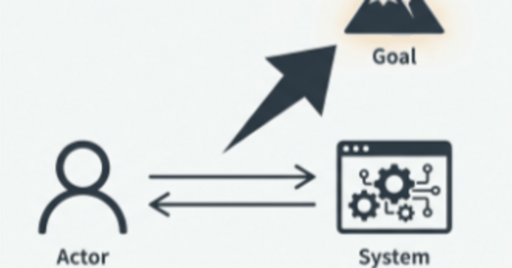
A use case describes the interactions between an actor and a system to achieve a specific goal. It should focus on observable system behaviour from the user’s perspective, rather than internal processing steps.
Although there is no strict rule requiring actor and system actions to alternate, describing meaningful interactions between them is a useful practice. It helps testers focus on user goals and expected outcomes instead of implementation details.
Well-written use cases provide a solid foundation for identifying main, alternative, and exception scenarios, leading to more effective test analysis and design.
The key message is simple: Good scenario testing starts with well-written use cases.
In this article, I explore the principles of writing effective use cases, drawing on the work of Ivar Jacobson, Alistair Cockburn, and the UML specification.
The article is written in Japanese.
🔗 https://note.com/yumotsuyo/n/nc55d08429104
#SoftwareTesting #TestDesign #UseCaseTesting #ISTQB #CTALTA